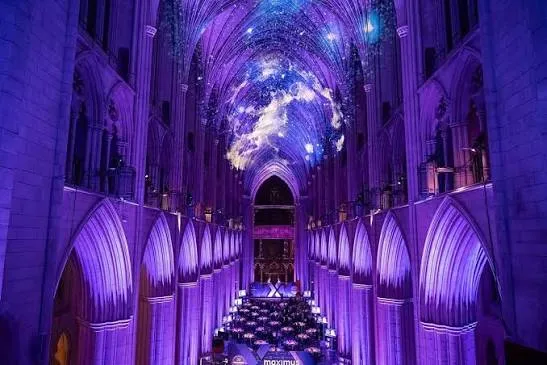

Event photography is an essential part of preserving meaningful experiences, celebrating important milestones, and documenting gatherings that bring people together. From elegant weddings and corporate conferences to birthday parties, charity fundraisers, and private celebrations, professional photography helps transform temporary moments into lasting memories. In a vibrant city filled with historic landmarks, modern venues, and diverse cultural events, Washington DC offers countless opportunities for creative and memorable photography.Washington DC Event Photography requires more than simply taking pictures. It involves understanding the event’s atmosphere, anticipating important moments, working with different lighting conditions, and capturing genuine emotions without interrupting the occasion. Whether organizing a professional gathering or planning a personal celebration, choosing the right photography approach can make a significant difference in the final results.
Understanding the Purpose of Event Photography
Every event has its own story, atmosphere, and objectives. A corporate conference may focus on professional networking, keynote speakers, and brand representation, while a wedding emphasizes emotions, relationships, and meaningful traditions. Understanding these differences helps photographers prepare the right equipment, plan their coverage, and identify the moments that deserve special attention.
Before the event, organizers should discuss their expectations with the photographer. Important details include the event schedule, key participants, preferred photography style, and intended use of the images. These conversations establish a clear direction and help ensure that the final photographs meet the client’s needs.
Professional event photography combines planned shots with spontaneous moments. While formal group portraits and stage presentations are important, candid photographs often reveal the genuine energy of an occasion.
Choose the Right Photographer for Your Event
Selecting an experienced photographer is one of the most important decisions when planning an event. A skilled professional understands how to work in different environments, manage changing schedules, and capture important moments without drawing unnecessary attention.
Review Portfolios and Previous Work
A photographer’s portfolio provides valuable insight into their experience, technical ability, and creative style. Look for examples of events similar to yours, whether they involve corporate gatherings, weddings, networking functions, or private celebrations.
Pay attention to image sharpness, composition, lighting, and the way people appear in photographs. A strong portfolio should demonstrate consistency across different locations and lighting conditions.
Discuss Coverage and Expectations
Before booking a photographer, confirm the expected coverage hours, number of photographers, editing process, image delivery timeline, and pricing. If the event includes multiple activities happening simultaneously, additional coverage may be necessary.
Clear communication helps avoid misunderstandings and ensures that the photographer understands which moments are most important.
Plan the Photography Around the Event Schedule
Successful event photography begins well before guests arrive. Reviewing the event schedule allows photographers to prepare for important activities and position themselves where they can capture the best images.
For corporate events, this may involve photographing registration, opening remarks, presentations, networking sessions, and award ceremonies. At private celebrations, important moments might include guest arrivals, speeches, cake cutting, family portraits, and the final celebrations.
A detailed photography timeline helps prevent missed opportunities. Organizers should identify essential photographs in advance, particularly when specific individuals, sponsors, or company representatives must be included.
Arriving early also gives photographers time to inspect the venue, test equipment, identify suitable backgrounds, and capture photographs of the room before guests fill the space.
Make the Most of Washington DC Locations
Washington DC offers a distinctive combination of historic architecture, modern event spaces, cultural institutions, and attractive outdoor settings. These environments can add character and visual interest to event photographs.
Use Architectural Features Creatively
The city’s architectural variety provides opportunities for interesting compositions. Elegant staircases, textured walls, large windows, and carefully designed interiors can create attractive backgrounds for portraits and group photographs.
When photographing events near recognizable landmarks, consider how the surroundings support the occasion rather than allowing the background to overpower the subjects.
Photographers should also check venue policies, access restrictions, and any required permissions before planning photographs in public or landmark locations.
Adapt to Indoor and Outdoor Conditions
Outdoor events can benefit from natural light, open spaces, and changing skies. However, direct sunlight may create harsh shadows, particularly during midday. Shaded areas or softer evening light can produce more balanced portraits.
Indoor venues present different challenges, including dim lighting, mixed light sources, and limited movement. Photographers should assess the environment beforehand and prepare suitable camera settings and lighting equipment.
Capture Genuine Emotions and Candid Interactions
Some of the most memorable event photographs happen unexpectedly. A spontaneous laugh, a warm greeting, an enthusiastic audience response, or a quiet conversation can communicate the atmosphere of an occasion more effectively than a posed image.
Candid photography requires observation and anticipation. Rather than concentrating exclusively on the main stage or central activity, photographers should watch the audience, guests, organizers, and supporting staff.
Using an appropriate lens can help photographers capture natural interactions from a comfortable distance. This approach allows guests to remain engaged in the event instead of constantly posing for the camera.
A balanced collection should include both candid images and carefully arranged portraits. Together, these photographs provide a fuller picture of the experience and the people who made it meaningful.
Pay Attention to Lighting and Composition
Lighting and composition are two essential elements of professional photography. Even a meaningful moment can lose its impact when the subject is poorly exposed or surrounded by distracting visual elements.
Work With Available Light
Photographers should evaluate the available light before deciding whether additional equipment is necessary. Window light, venue lighting, and outdoor illumination can all contribute to attractive photographs when used thoughtfully.
For darker venues, a suitable camera with good low-light performance and an appropriate lens can help preserve image quality. External flash may also be useful when used carefully and in accordance with venue rules.
Create Balanced Compositions
Good composition directs attention toward the subject and gives each image a clear purpose. Photographers can use leading lines, natural framing, symmetry, and background separation to create visually appealing results.
For group photographs, arranging people at different heights and ensuring that faces remain visible can improve the final composition. For speakers and performers, leaving some space around the subject may communicate the scale and atmosphere of the event.
Taking a mixture of wide, medium, and close-up photographs also creates variety. Wide shots establish the setting, medium shots show interactions, and close-ups highlight expressions, decorations, awards, and other important details.
Prepare the Right Equipment
Reliable equipment helps photographers respond to changing conditions and unexpected situations. A professional event photography kit commonly includes a camera, versatile lenses, spare batteries, memory cards, and suitable lighting equipment.
A standard zoom lens is useful for capturing a range of scenes, while a portrait lens can help produce flattering photographs of individuals and small groups. Wider lenses are helpful when documenting large rooms or crowded gatherings.
Backup equipment is equally important. A spare camera body, extra storage cards, and additional batteries can reduce the risk of missing significant moments because of technical problems.
Photographers should also back up image files after the event and maintain an organized workflow for selecting, editing, and delivering photographs.
Photograph Details That Tell the Full Story
An event is made up of more than its headline activities. Decorations, table arrangements, branded displays, invitations, stage designs, catering presentations, and personalized details all contribute to the experience.
Capturing these elements adds context and variety to the final gallery. For corporate clients, photographs of signage, sponsor displays, and branded materials may also be useful for marketing and future promotions.
At private celebrations, details such as floral arrangements, carefully prepared tables, meaningful gifts, and customized decorations can preserve the effort that went into planning the occasion.
These images are particularly valuable when the final photographs will be used for websites, social media, newsletters, or promotional materials.
Edit and Deliver Photographs Professionally
Photography does not end when the event finishes. Careful editing helps create a consistent and polished collection that reflects the atmosphere of the occasion.
Professional editing may include exposure correction, white balance adjustments, color balancing, cropping, and the removal of minor distractions when appropriate. The goal is to improve image quality while keeping people and scenes looking natural.
Images should be organized into a convenient gallery so clients can locate important moments easily. Delivery expectations should be agreed upon in advance, including whether the client requires a small selection of preview images or a complete edited collection.
For business events, selected photographs may be needed quickly for press releases and social media updates. Weddings and private celebrations may allow more time for comprehensive editing.
Respect Guests and Protect Their Privacy
Professional event photographers should work respectfully and follow the organizer’s photography policies. Some guests may prefer not to appear in publicly shared images, while certain presentations or private conversations may require restricted photography.
Organizers should communicate relevant privacy expectations before the event. Photographers should follow applicable venue rules, obtain appropriate permissions when required, and take particular care when photographing children or sensitive activities.
Respectful practices help create a comfortable environment while allowing photographers to document the occasion effectively.
Conclusion
Washington DC event photography is about preserving the atmosphere, people, and experiences that make every occasion unique. From corporate conferences and formal celebrations to weddings and community gatherings, memorable photographs require careful preparation, creative composition, technical knowledge, and an eye for genuine emotion.
Choosing the right photographer, planning around the schedule, making thoughtful use of Washington DC’s surroundings, and paying attention to both major activities and small details can significantly improve the final results.
Ultimately, the best event photographs do more than show what happened. They communicate how the occasion felt and help people revisit meaningful experiences long after the event has ended. With the right approach, every gathering can become a collection of lasting visual memories.