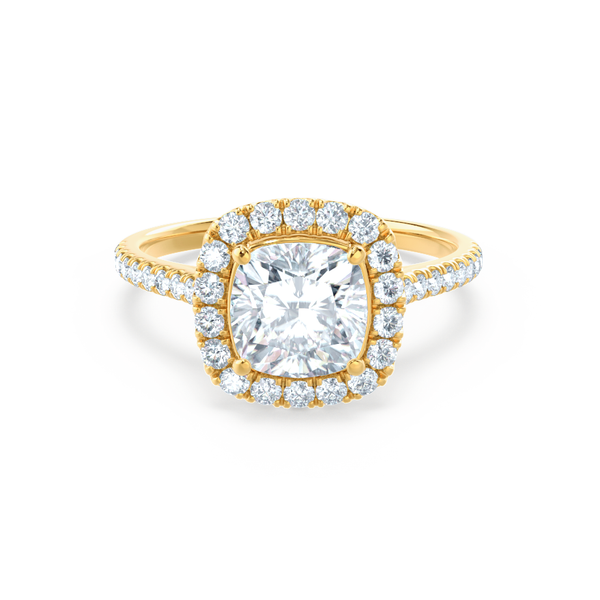

In today’s competitive market, modern buyers are becoming increasingly discerning about their purchasing decisions, and their preferences are shifting toward value-driven design principles. This change in consumer behavior reflects a broader societal trend where buyers seek products that not only offer aesthetic appeal but also align with deeper values such as sustainability, functionality, and authenticity. As consumers evolve, so too do the expectations they place on brands, and businesses are learning to adapt to these preferences in order to stay relevant and successful. A prime example of a brand that exemplifies these principles is lily arkwright, a name synonymous with offering high-quality, ethically designed jewelry that reflects the needs and desires of today’s conscious consumer.
One of the primary reasons modern buyers are gravitating toward value-driven design is the growing demand for sustainability. As environmental concerns continue to rise, people are more conscious of the impact their purchases have on the planet. Consumers are no longer satisfied with simply buying a product; they want to know the origins of the materials, the labor practices involved in its creation, and how its life cycle contributes to environmental conservation. Value-driven design integrates sustainability at every stage, from sourcing eco-friendly materials to using ethical production methods. By supporting brands that prioritize these values, buyers feel that they are contributing to a more sustainable future and making more informed choices that reflect their personal ethics.
Functionality is another key driver in the preference for value-driven design. Modern consumers are looking for products that are not only visually appealing but also practical and useful in everyday life. This approach to design emphasizes creating products that have a lasting impact, whether in terms of durability, versatility, or user experience. Buyers are increasingly seeking out products that can serve multiple purposes, stand the test of time, and reduce the need for constant replacement. As a result, products with thoughtful, value-driven design principles often lead to greater satisfaction and a higher perceived value, as customers know they are making an investment rather than a short-term purchase.
Authenticity plays a crucial role in the value-driven design philosophy. In an age where consumers are exposed to an overwhelming amount of marketing, the need for transparency and trust has never been higher. Modern buyers are keen on purchasing from brands that demonstrate authenticity in both their messaging and actions. They want to know that the companies they support stand for something meaningful and are committed to delivering on their promises. This is why value-driven design often incorporates storytelling, allowing consumers to connect with the brand on a deeper level. By embracing authenticity, companies can build stronger, more loyal relationships with their customers, who appreciate the brand’s dedication to its values.
Another reason for the growing preference for value-driven design is the influence of technology. The digital age has made information more accessible than ever, allowing consumers to easily research and compare products. Social media platforms, reviews, and blogs give buyers the ability to assess a brand’s reputation and learn about its design philosophy in real-time. As a result, companies that focus on value-driven design are better positioned to attract consumers who appreciate transparency and have the tools to investigate the integrity of a product. The ability to make informed decisions has led to a shift in how buyers approach design, with many prioritizing long-term value over short-term trends.
In conclusion, the shift toward value-driven design principles reflects a broader cultural movement towards conscious consumption. Modern buyers are increasingly seeking products that align with their personal values, whether that be sustainability, functionality, authenticity, or a combination of all three. As brands like lily arkwright continue to embrace these principles, they demonstrate that incorporating value-driven design not only meets the needs of today’s consumers but also establishes a deeper, more meaningful connection with the customer. By staying attuned to these preferences, companies can foster loyalty, build a positive reputation, and thrive in an ever-evolving marketplace.